7 分で読めます
How to check the weather before a Berlengas trip
The single biggest factor in whether your island day happens at all: three numbers, the morning fog and the tide.
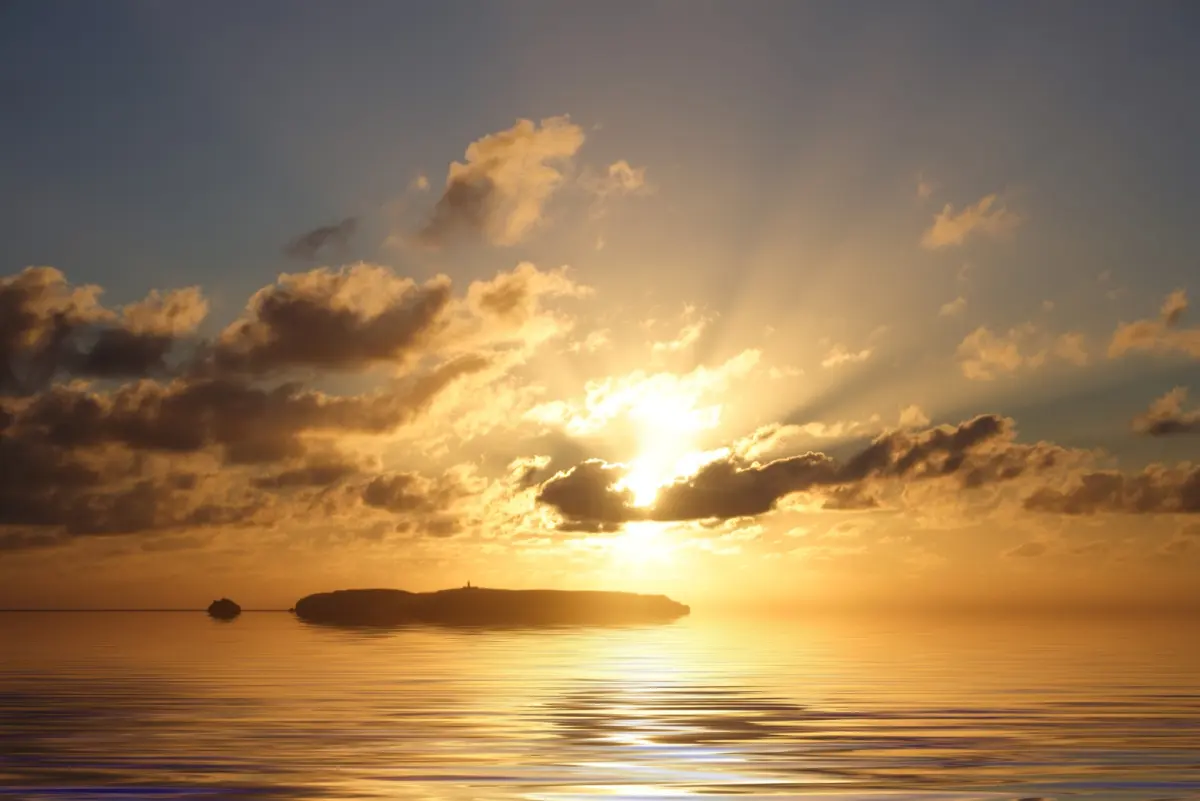
The Berlengas sit ten kilometres out in the open Atlantic, and the only way there is a 20 to 45-minute boat crossing across water that is exposed to every swell rolling in from the west. More island trips are ruined by weather than by anything else, and operators cancel same-day when the sea is too rough. Ten minutes reading a forecast the evening before, and again the morning of, is the difference between a perfect day and a wasted drive to Peniche.
The three numbers that decide the crossing
- Wave height (swell). The one that matters most. Under about 1 metre is smooth; 1 to 1.5 m is a lively but normal crossing; above roughly 2 to 2.5 m, trips are often cancelled and the smaller speedboats stop first.
- Wind speed. Comfortable under about 15 knots. From 20 knots the ride gets bumpy and spray-soaked; strong wind also whips up the swell that actually stops the boats.
- Wind direction. In summer the prevailing wind is the nortada, from the north or north-west. It usually builds through the afternoon, so a morning crossing is usually calmer than a late one, as long as the morning fog has lifted (see below).
| Smooth | Lively | Often cancelled | |
|---|---|---|---|
| Wave height | Under 1 m | 1 to 1.5 m | Over 2 to 2.5 m |
| Wind | Under 15 kn | 15 to 20 kn | Over 20 kn |
| 08h | 10h | 12h | 14h | 16h | |
|---|---|---|---|---|---|
| Wind (kn) | 7 | 8 | 11 | 15 | 18 |
| Gusts (kn) | 10 | 12 | 15 | 20 | 24 |
| Wave height (m) | 0.6 | 0.7 | 0.9 | 1.4 | 1.9 |
| Wave period (s) | 8 | 8 | 9 | 9 | 10 |
Morning fog
Summer mornings in Peniche often start in thick sea fog. It can delay the boats and it hides the island, and some days it only clears around midday. Locals sum it up in one line:
So early is not always best. On a foggy morning a late-morning boat often gets both: the fog gone and the nortada not yet up. Check visibility on the forecast and look out of the window before you drive.
The tide, for what you actually want to do
Once you are there, the tide shapes the day. The boat tours that thread the Furado Grande tunnel and the sea caves need enough water to pass and calm-enough conditions inside, so they run best around higher, slacker water. Snorkelling and the clearest water over the Carreiro do Mosteiro tend to be better near slack tide, when there is least current stirring up sand. If a specific cave or cove is your reason for going, check the tide table for Peniche and match your boat time to it.
The tools we use
- Windguru, Berlenga → (新しいタブで開きます)
The forecaster's favourite, with a dedicated Berlenga spot. Read the wind speed and gusts (in knots), the wave height and wave period, and the arrows for direction. The colour-coded rows make a bad day obvious at a glance.
- Tábua de Marés, Peniche → (新しいタブで開きます)
High and low tide times for Peniche and a clear tide curve, so you can line up the cave tours and the best swims with the right water.
- Windy → (新しいタブで開きます)
The animated map for the big picture. Switch on the waves/swell layer to see the whole Atlantic pattern approaching Peniche, and scrub the timeline to see how the day develops.
Forecasts change, check twice
Offshore forecasts for a small exposed island shift a lot, sometimes completely from one day to the next. Treat anything more than three days out as a rough hint, check properly the evening before, and check again the morning of your trip, that is the forecast the operators are using when they decide whether to sail. If in doubt, call your operator; they read this water every day.
The short version
Aim for a summer day with swell under about 1.5 m and wind under about 15 knots. Cross before the afternoon nortada, but if the morning is foggy, a late-morning boat is often the sweet spot. Match the tide to what you most want to see, and always re-check the morning you go.